
Gaming on the Go: Can Mobile Access Support Your CS2 Rank Progression?
More than 50 percent of global gamers now play across multiple devices, reflecting a shift toward flexible, always-connected gaming habits, as reported by Newzoo. For competitive players, this trend raises a practical question. Can mobile tools meaningfully support rank progression in a PC-focused title like Counter-Strike 2? While gameplay itself remains tied to desktop performance, mobile technology has quietly become an essential companion in the competitive ecosystem.
Players today rely on a mix of tools that extend beyond the main game client. Services like BuyBoosting Counter-Strike 2 rank boost are often referenced alongside mobile tracking and communication platforms, giving users ways to monitor, manage, or even improve their standing while away from their setups. This combination of services and tools reflects how progression is no longer limited to time spent actively playing.
The Rise of Mobile as a Competitive Companion
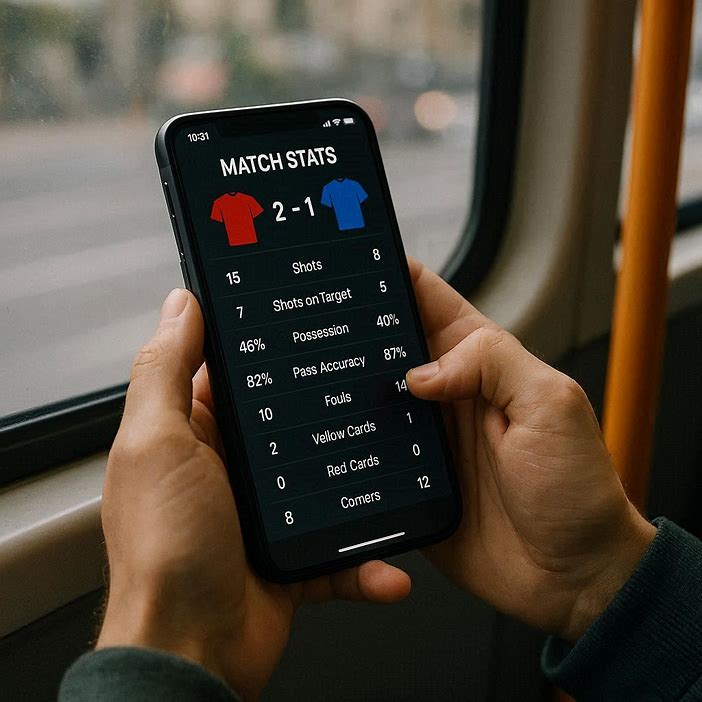
Counter-Strike 2 remains a PC-first experience, built on precision mechanics and stable hardware performance. Yet, mobile devices now play a supporting role that is difficult to ignore. Smartphones allow players to stay connected to their competitive journey even when they are commuting, working, or away from their gaming rigs.
Data from Statista indicates that mobile internet traffic accounts for over half of global online usage. This accessibility shapes how players engage with competitive games. Instead of stepping away entirely, they continue to analyze, communicate, and plan through mobile interfaces.
These habits reflect a broader shift. Competitive gaming is no longer confined to match sessions. It extends into preparation, review, and strategic planning, much of which can happen on mobile devices.
Companion Apps and Stat Tracking Tools
One of the most practical uses of mobile technology lies in performance tracking. Several third-party platforms provide detailed insights into match history, win rates, and individual performance metrics. These tools help players identify weaknesses and track improvement over time.
Research published by MIT Sloan Sports Analytics Conference highlights that data-driven feedback improves performance outcomes in competitive environments. This applies directly to esports. Players who regularly review their statistics tend to make more informed decisions about gameplay adjustments.
Mobile stat tracking apps allow users to:
- Review recent matches and outcomes
- Analyze kill-to-death ratios and accuracy trends
- Monitor rank changes and progression over time
- Compare performance with peers or global averages
These features make it easier to stay engaged with improvement, even without launching the game itself. A quick check during downtime can reinforce goals and maintain focus.
Communication and Team Coordination
Competitive Counter-Strike relies heavily on teamwork. Communication platforms, many of which are mobile-friendly, ensure that coordination continues outside live matches. Messaging apps, voice platforms, and team management tools allow players to plan strategies, review tactics, and schedule sessions.
Experts at Deloitte note that digital communication tools strengthen collaboration in high-performance teams. In esports, this translates to better coordination and more consistent execution during matches.
Mobile access enables players to:
- Stay in touch with teammates across time zones
- Discuss strategies and map tactics
- Share gameplay clips or feedback instantly
- Organize practice sessions more efficiently
This continuous connection helps maintain momentum. Even when players are not actively competing, they remain mentally engaged with their team dynamics.
Mobile-Assisted Services and Rank Progression
Beyond tracking and communication, mobile devices also serve as gateways to external services that influence progression. Rank boosting platforms, coaching services, and account management tools are often accessible through mobile browsers or apps. Tools like InputMapper for mobile gaming further highlight how players can enhance control and precision by mapping external devices to mobile interfaces, bridging the gap between traditional setups and portable play. Research shows that such tools improve input accuracy and customization, allowing players to replicate more advanced control schemes even on mobile devices, as noted by MobileWise.
While opinions on boosting services vary, their presence highlights an important point. Competitive progression is no longer limited to individual gameplay alone. Some players use external assistance to accelerate rank advancement or overcome skill plateaus.
Industry analysis from PwC Global Entertainment & Media Outlook suggests that esports ecosystems are expanding to include a wide range of support services. These services cater to players seeking faster improvement or more structured progression paths.
Mobile access makes these services more convenient. Users can place requests, track progress, and communicate with service providers without needing to be at their main gaming setup. This flexibility aligns with modern digital habits, where convenience often drives engagement.
Monitoring Progress on the Move
One of the most valuable contributions of mobile technology is real-time awareness. Players no longer need to wait until their next gaming session to understand how they are performing. Updates, notifications, and dashboards provide immediate feedback.
Behavioral research from Harvard Business Review shows that consistent feedback loops improve motivation and goal adherence. In gaming, this translates to stronger commitment to rank progression.
Mobile tools allow players to:
- Receive instant updates on rank changes
- Track long-term performance trends
- Set personal goals and milestones
- Stay motivated through visible progress
This constant visibility reinforces engagement. Even small improvements feel more meaningful when they are regularly monitored.
Limitations of Mobile in Competitive Play
Despite its advantages, mobile technology cannot replace the core gameplay experience. Counter-Strike 2 demands precision aiming, stable frame rates, and responsive controls. These requirements are still best met on a dedicated PC setup.
Mobile tools function as support systems rather than substitutes. They enhance preparation and analysis but do not directly influence in-game mechanics. Recognizing this distinction is important for players who aim to improve effectively.
Still, the value of these tools should not be underestimated. By improving awareness, communication, and planning, mobile access contributes indirectly to better performance.
The Evolving Competitive Ecosystem
The integration of mobile technology into PC gaming reflects a broader evolution in esports. Competitive ecosystems are becoming more interconnected, with multiple touchpoints shaping the player experience.
Analysts at McKinsey & Company emphasize that digital ecosystems thrive when users can engage across platforms seamlessly. In gaming, this means moving between PC, mobile, and web-based tools without friction.
Players now approach progression as a continuous process rather than a series of isolated matches. They analyze, communicate, and strategize throughout the day, using mobile devices as their primary access point.
This shift also explains the growing interest in services that support rank advancement. Whether through coaching platforms or CS2 rank boosting options, players are exploring different ways to stay competitive in an increasingly demanding environment.
Conclusion: A Support System, Not a Replacement
Mobile technology does not replace the need for skill, practice, or high-performance hardware in Counter-Strike 2. However, it plays a meaningful role in shaping how players approach progression. From stat tracking and communication to external support services, mobile tools extend the competitive experience beyond the desktop.
For players aiming to improve their standing, the combination of data insights, team coordination, and accessible services creates a more structured path forward. Options like rank boosting solutions or performance tracking platforms reflect how the ecosystem continues to evolve.
Ultimately, success in CS2 still depends on in-game execution. Yet, the journey toward that success is now supported by a network of mobile-enabled tools that keep players informed, connected, and engaged, no matter where they are.

