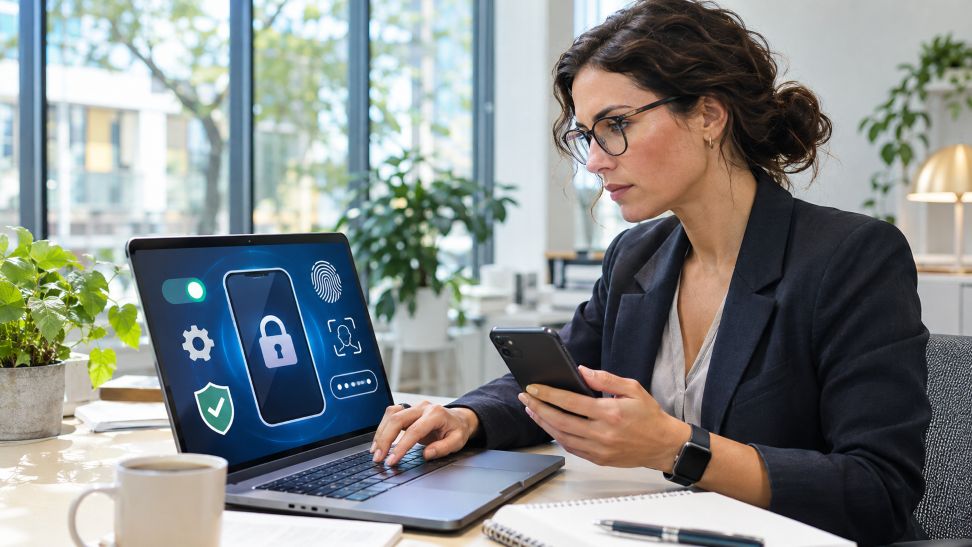
Phone numbers have become an important part of digital identity. People use them to register accounts, receive security codes, communicate with businesses, and access online services. However, sharing a personal number across multiple platforms can create privacy concerns. Temporary phone numbers offer another way to manage communication while limiting unnecessary exposure of personal contact information.
These numbers are useful for short-term activities, but they have limitations. Some platforms restrict virtual numbers during account registration. For example, users may encounter the message “this phone number cannot be used for verification” when attempting to register certain accounts. Understanding how temporary numbers work helps users make informed decisions about privacy, security, and account accessibility.
1. Temporary Phone Numbers Help Separate Personal and Online Activities
A temporary phone number allows users to receive calls or messages without immediately sharing their primary number. Depending on the provider, these numbers may operate through mobile networks, internet-based services, or virtual communication platforms.
They can be useful when registering for short-term services, contacting unfamiliar businesses, or communicating through online marketplaces.
The Federal Trade Commission (FTC) warns that information submitted to certain websites can be collected and sold to telemarketers. Using a separate contact number may reduce exposure of a primary number when dealing with unfamiliar services.
However, privacy depends on how the number is managed. Users should still review what personal information a service collects and how that information is stored.
2. A Temporary Number Does Not Guarantee Complete Anonymity
Temporary numbers can create an additional layer of separation between personal and online communication. However, they should not be confused with complete anonymity.
Online services may collect other identifying information, including account details, device information, and internet activity. Even when a different phone number is used, these details may still connect activities to an individual.
The FTC encourages consumers to review websites carefully before sharing personal information. Privacy policies can also help explain how providers collect, use, and disclose customer data.
For better protection, users should combine separate contact numbers with strong passwords, careful permission settings, and responsible information-sharing habits.
3. Why Do Some Platforms Reject Temporary Numbers?
Many digital platforms use phone verification to reduce automated registrations, spam, and account abuse. During registration, a service may send a one-time code to confirm that the applicant can access the submitted number.
However, temporary and virtual numbers are not always accepted.
Google Account Help explains that Google limits how many accounts can be associated with a phone number for verification purposes. Users may need another number when a verification limit is reached.
Restrictions differ between platforms. Some services accept certain virtual numbers, while others require numbers that meet specific verification requirements.
Before selecting a temporary number, users should check whether their intended platform supports that number type. This can prevent registration problems and unnecessary expenses.
4. Public and Private Temporary Numbers Have Different Privacy Risks
Temporary phone services vary considerably. Some provide publicly accessible inboxes, while others assign private numbers to individual users.
With a public inbox, incoming messages may be visible to anyone accessing the service. This creates obvious privacy concerns, especially when messages contain security codes or account information.
Private services generally offer more control over incoming communication. However, their actual security depends on provider policies, account protections, and message-handling practices.
The National Institute of Standards and Technology (NIST) identifies weaknesses in phone-based authentication, including risks involving number transfers and intercepted messages.
For sensitive accounts, privately controlled communication channels are generally preferable to shared inboxes. Public temporary numbers should never be treated as secure destinations for confidential information.
5. Number Expiration Can Create Account Recovery Problems
Temporary numbers are designed for limited use, making their expiration an important consideration.
A user might register an account with a temporary number and later lose access to that number. If the platform requires SMS verification during password recovery, the user may struggle to regain account access.
The Federal Communications Commission (FCC) recognizes number reassignment as a recurring telecommunications issue. Disconnected numbers can eventually become available to new subscribers.
This creates potential risks when accounts remain connected to numbers their original users no longer control.
Before allowing a number to expire, users should update recovery information, remove outdated contact details, and enable alternative authentication methods where available.
6. SMS Verification Has Security Limitations
Receiving verification codes through text messages remains common because the process is familiar and convenient. However, SMS authentication has weaknesses that users should understand.
The FTC explains that SIM-swapping attacks can allow criminals to take control of another person’s phone number. Attackers may then receive security codes intended for the legitimate account holder.
The Cybersecurity and Infrastructure Security Agency (CISA) recommends phishing-resistant authentication methods, including FIDO-based security keys and passkeys, for stronger account protection. Developments in mobile identity verification systems also highlight how digital platforms are exploring alternatives to traditional SMS-based security.
Users should consider the following precautions:
- Use passkeys or security keys when supported.
- Choose authenticator applications when stronger options are unavailable.
- Never share verification codes with unknown individuals.
- Protect mobile carrier accounts with additional security controls.
- Keep account recovery information current.
These measures help reduce dependence on phone numbers as the main method of confirming identity.
7. Choosing the Right Number Depends on Its Purpose
There is no universal solution for managing digital communication. The right choice depends on how frequently a number will be used and how important the connected accounts are.
Temporary numbers may suit short-term inquiries, marketplace conversations, and activities where continued access is unnecessary.
A dedicated secondary number may be more practical for ongoing business communication or services requiring regular contact.
Meanwhile, important financial, professional, and personal accounts benefit from stable recovery methods and stronger authentication.
Before choosing a provider, users should examine message privacy, number availability, renewal conditions, service reliability, and account recovery options.
Conclusion
Temporary phone numbers provide a practical way to separate everyday communication from personal contact information. They can help reduce unnecessary exposure, especially when interacting with unfamiliar online services.
Still, temporary numbers introduce challenges involving verification restrictions, message privacy, and account recovery. Their usefulness depends on choosing an appropriate service and understanding its limitations.
As digital security continues to evolve, protecting personal information will require more than changing phone numbers. Combining responsible communication habits with stronger authentication methods offers a more reliable approach to mobile privacy.







 Mobile technology has changed almost every part of our daily lives. From communication to shopping, everything is now more accessible thanks to smartphones and tablets. One growing trend is the use of paragraph rewriter on mobile devices. These tools help users rewrite sentences, improve grammar, and create better content—anytime and anywhere. With mobile apps and browser-based platforms, paragraph rewriters have become more user-friendly, helping both students and professionals with writing tasks.
 Facebook hosts over 2.9 billion monthly active users, making it a treasure trove for marketers seeking targeted audiences. Mobile marketing thrives on precision, and building a contact list that resonates with your campaign goals is crucial. By tapping into public profiles and groups, marketers can gather valuable email addresses to fuel mobile ad campaigns, push notifications, and SMS outreach. This article explores five dynamic ways a Facebook email scraper transforms your mobile marketing efforts, streamlining outreach and boosting engagement.

 The shift to cloud-based ERP systems is changing the way companies operate. Accely SAP public cloud services give businesses access to flexible, scalable solutions without the cost and complexity of on-premise systems. At the same time, mobile technology is making it easier to access these services anytime and anywhere.

 Fast and affordable—no booking or studio fees


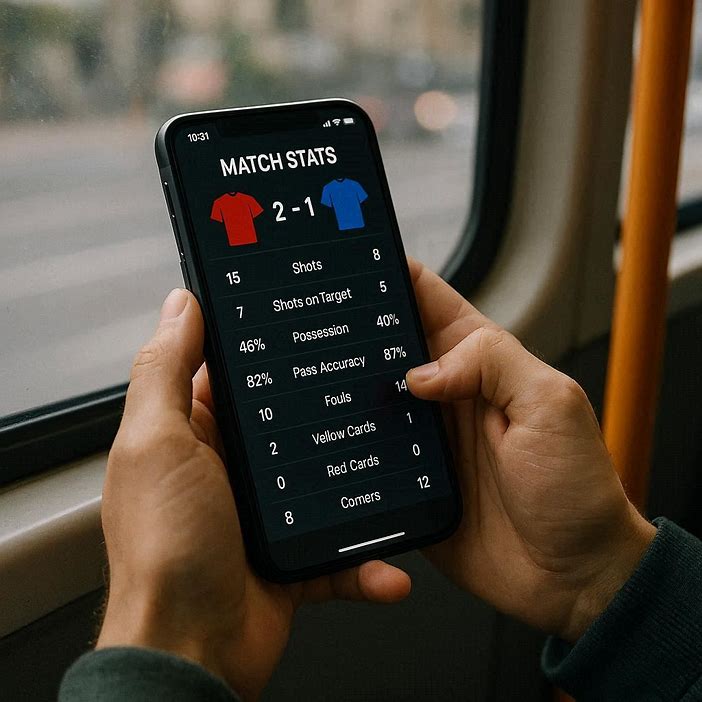
 Have you ever wondered how soccer broadcasters seem to know exactly what you want to see during a match? You pick up your phone, open a live-streaming app, and there it is—not just the game itself but curated highlights, real-time stats, and even push notifications about key moments just seconds after they happen. This isn’t magic; it’s mobile analytics at work and changing the game for 해외축구 무료보기.


 Designed to map inputs from many devices—including gamepads, keyboards, and mouse—to the screen of your mobile device, InputMapper is a flexible software tool. InputMapper opens a world of opportunities for mobile gamers by precisely closing the distance between conventional gaming peripherals and mobile devices.

 For artists looking to expedite their growth on SoundCloud, the option to buy soundcloud likes baratos (means for cheap!) remains a relevant consideration. While organic growth is ideal, supplementing your strategy with purchased likes can provide the initial momentum necessary to attract genuine listeners. These likes can enhance your credibility and make your tracks appear more popular, enticing users to give your music a chance. However,

 Mobile gaming is no longer a pastime—it’s a competitive and immersive experience where every second counts. But nothing kills the excitement faster than a poor connection. For gamers on the go, a portable Wi-Fi stick can make a world of difference by delivering high-speed internet, reducing lag, and enhancing gameplay on tablets and mobile devices.
 Mobile technology has completely transformed how brands engage with audiences on Instagram, shifting from simple posts to immersive, real-time interactions. Tools like live streaming, interactive polls, and instant messaging have redefined the relationship between brands and their followers, making it easier for brands to create meaningful connections and encourage follower growth. This rise in mobile tech has allowed companies of all sizes to reach users wherever they are, opening up a dynamic world of instant feedback and personal interaction.
 Starting a business in mobile technology comes with unique challenges—and your domain name is one of them. Since more people are accessing the internet from mobile devices than ever before, having a domain that is mobile-friendly and easy to remember is crucial. A domain name should be more than just a web address; it needs to reflect your brand’s essence while ensuring convenience for mobile users.


